Nagamachi Samurai District Guide: How to Explore Kanazawa's Historic Streets Along Five Bridges

Contents
Walking Through a Castle Town of the Kaga Domain: How to Explore the Nagamachi Samurai District

In Kanazawa, there is a corner where the townscape once inhabited by the samurai of the Kaga domain still survives just as it was. That place is the Nagamachi Samurai District.
Stone-paved lanes lined with earthen walls, and the murmur of a canal flowing alongside. This area carries the atmosphere of an Edo-period castle town intact, with historic residences and gardens scattered throughout, so the stroll itself becomes the highlight.
That said, the area is fairly large and the back lanes are intricate, so it is easy to get lost if you wander without a plan. This article introduces how to explore the Nagamachi Samurai District efficiently and without getting lost, along with the highlights of each spot.
“Where is the Nagamachi Samurai District, and how do I get there?”
“What is there to see in the Nagamachi Samurai District?”
“What route should I take to sightsee in the Nagamachi Samurai District?”
This article answers these questions.
Nagamachi Samurai District

The Nagamachi Samurai District is an area in Kanazawa, Ishikawa Prefecture, that preserves the appearance of the residential quarter once home to the samurai of the Kaga domain. Kanazawa was spared from the air raids of World War II, so its stone-paved lanes lined with earthen walls and the flow of the Onosho Canal have been handed down to this day, letting you experience the charm of an Edo-period castle town just as it was.
Next to Korinbo, with Easy Access at the Heart of Kanazawa Sightseeing
The Nagamachi Samurai District area sits right beside Korinbo and Katamachi, the busiest downtown districts in Kanazawa. It is also close to Kanazawa Castle and Kenrokuen, all within walking distance.

Korinbo has a modern, refined atmosphere, while Katamachi bustles with countless restaurants. Step just one block deeper from there, and the historic samurai residences spread out quietly before you.
How to Explore the Nagamachi Samurai District
The Nagamachi Samurai District refers to the entire area whose scenery of samurai residences conveys the look of an Edo-period castle town to the present day. Along with its atmospheric streetscape, the area is dotted with museums, restaurants, and souvenir shops, and because there are many back lanes, knowing the route in advance lets you explore efficiently without getting lost.
“Samurai Street,” the 500-Meter Main Street

The Nagamachi Samurai District has a main street. Often called the “Nagamachi Samurai Residence Street” or “Samurai Street,” it runs along the west side of Korinbo and is about 500 m long.
The classic way to enjoy it is to walk this main street while veering off into the side lanes to take in the townscape, and stopping by museums, souvenir shops, and restaurants along the way.
A Tip for Not Getting Lost: Use the Bridges as Landmarks

The main street is about 500 m long and the back lanes are intricate, so wandering without any landmarks can leave you lost.
That is where the bridges come in as the landmarks to keep in mind while you stroll.
A canal called the Onosho Canal runs through the Nagamachi Samurai District, flowing alongside the main street.

The five bridges crossing it,
First Bridge (Ichi-no-hashi), Second Bridge (Ni-no-hashi), Third Bridge (San-no-hashi), Fourth Bridge (Shi-no-hashi), and Fifth Bridge (Go-no-hashi),
serve as landmarks that let you sightsee without getting lost.

For your sightseeing route, heading north from south, from First Bridge to Fifth Bridge as if making your way along the bridges, is the most efficient way to see the Nagamachi Samurai District.
Reach it on foot from Korinbo or Katamachi, or if you take a taxi, just say “to First Bridge at the Nagamachi Samurai District” and the driver will take you there.
Sightseeing Spots Around Each Bridge
So what sightseeing spots can you find in the Nagamachi Samurai District? Strolling is not the only way to enjoy it. The area has many museums, and you can actually step inside samurai residences. These line the main street, and their distribution across the area is shown below.

As shown, by walking the main street you can comprehensively reach the major museums and sightseeing spots.
First Bridge: The Starting Point of the Stroll


Around First Bridge, the starting point of a stroll through the Nagamachi Samurai District, there are two museums: the Shinise Memorial Hall and the Maeda Tosanokami-ke Museum.
Shinise Memorial Hall

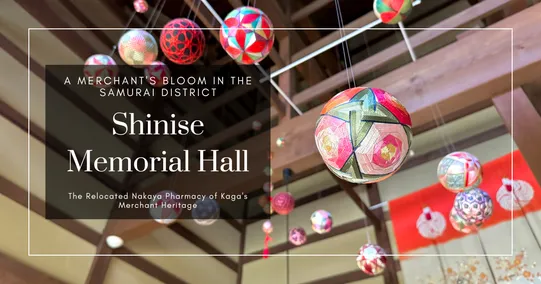
The Shinise Memorial Hall is a cultural facility that relocated the building of a medicinal herb merchant in business since the Edo period, displaying items from Kaga’s wedding culture and the daily life of long-established shops.
Read more about Shinise Memorial Hall
Maeda Tosanokami-ke Museum

The Maeda Tosanokami-ke Museum is a Kanazawa municipal museum displaying about 9,000 family heirlooms passed down in the “Maeda Tosanokami family,” the head of the Eight Houses of Kaga, which began with Toshimasa, the second son of Maeda Toshiie.
Read more about Maeda Tosanokami-ke Museum

Around Second Bridge: An Atmospheric Samurai Townscape

Around Second Bridge, you can enjoy an atmospheric samurai townscape. The samurai-residence lane scenery you often see in guidebooks is frequently this stretch of street.


The samurai townscape around Second Bridge
The lanes are also home to souvenir shops and restaurants, bustling with many visitors.


Around Third Bridge: The Liveliest Midpoint

The area around Third Bridge is right at the midpoint of the Nagamachi Samurai District and is the liveliest part. Alongside museums such as a samurai residence and a Japanese garden, there are also a free rest area, restaurants, and souvenir shops.


The bustle around Third Bridge
Nomura Samurai Residence

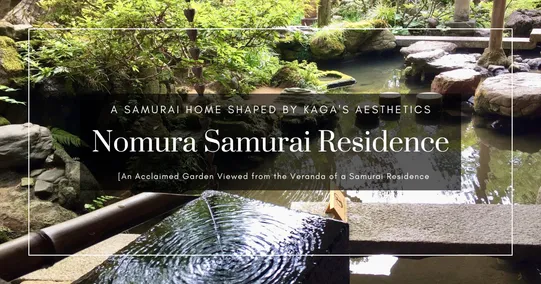
The Nomura family residence is the former home of the Nomura family, samurai of the Kaga domain, where you can see a samurai dwelling up close, including the celebrated garden viewed from the veranda, the upper-level room, and the tea room.
Read more about Nomura Samurai Residence
Senda-ke Garden

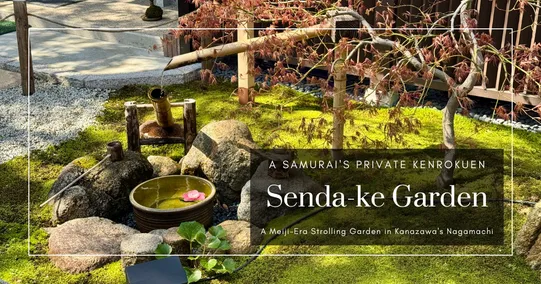
The Senda-ke Garden is a strolling garden with a central pond created by Takafumi Senda, a former samurai of the Kaga domain, modeled after Kenrokuen, and it opened to the public in 2025 as a new attraction in Nagamachi.
Read more about Senda-ke Garden
Nagamachi Rest House

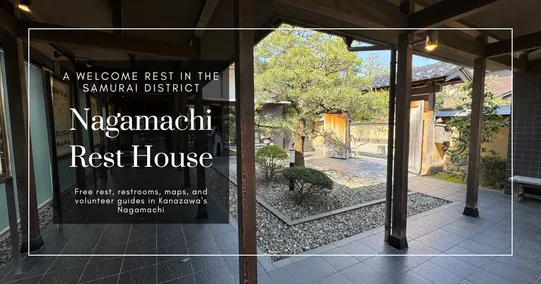
The Nagamachi Rest House is a facility serving as a base for a stroll through Nagamachi, offering free use of rest space, restrooms, and tourist information, with volunteer guides available as well.
Read more about Nagamachi Rest House
Around Fourth Bridge: A Quiet Area Where Everyday Life Lives On

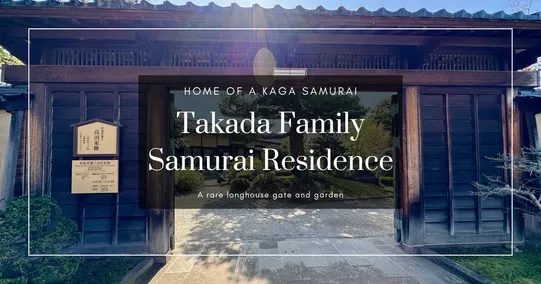
By the time you reach Fourth Bridge, the bustle has largely settled down. Here stands the residence of the Takada family, former retainers of the Kaga domain.

Takada Family Samurai Residence

The Takada residence is the former home of the Takada family, samurai of the Kaga domain with a stipend of 550 koku, where you can freely view the row-house gate (nagayamon) permitted to samurai and a strolling garden with a central pond.
Read more about Takada Family Samurai Residence
Fifth Bridge: The Goal of the Stroll


Reaching Fifth Bridge brings you to the goal of the Nagamachi Samurai District. Along this stretch, you can see the flow of the Onosho Canal up close, and the murmur of the canal together with the surrounding scenery creates a wonderful atmosphere. Here you will find one museum that is free to enter.
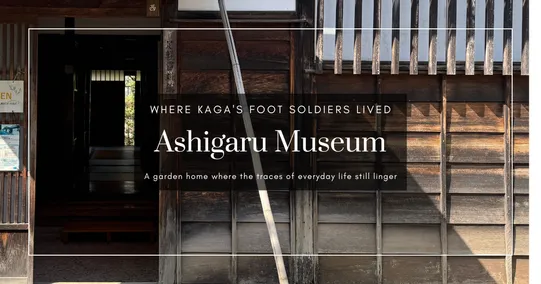
Kanazawa Ashigaru Museum

The Kanazawa Ashigaru Museum relocated and restored two houses where foot soldiers (ashigaru) actually lived, conveying the daily life of the Kaga domain’s ashigaru and their families free of charge.
Read more about Kanazawa Ashigaru Museum
From First Bridge to Fifth Bridge: A Walk Through the Townscape of Kaga Samurai

The Nagamachi Samurai District is an area where you can enjoy the entire townscape once inhabited by the samurai of the Kaga domain, all on foot.
Walk the earthen-walled lanes, listen to the murmur of the canal, and visit the samurai residences and gardens, and you will feel close to the daily lives of the people who lived in this castle town of Kaga, one of the wealthiest feudal domains in Edo-period Japan (rated at over one million koku). Being able to compare the dwellings of various ranks, from high-ranking samurai mansions to the modest homes of ashigaru (foot soldiers), is a charm unique to this area.
From First Bridge to Fifth Bridge. Head north using the bridges as landmarks, and you can explore the major highlights without getting lost. Since it is within walking distance of Korinbo and Kenrokuen, it is easy to work into a Kanazawa sightseeing itinerary, which is another reason to recommend it.
A place in the heart of Kanazawa where you can touch the era of Kaga, one of the wealthiest feudal domains. Be sure to pay a visit to the Nagamachi Samurai District.

