Where to Find Great Sake in Japan: Best Shops, Breweries, and Tasting Spots Nationwide

Contents
The Best Places to Buy Sake in Japan

Sake is a beverage crafted from the water and rice of each region. With approximately 1,400 breweries across the country, every area produces sake with its own distinct flavor.
Japan offers a wealth of places to buy high-quality sake, from department stores and specialty sake shops to the breweries themselves. There is also a uniquely Japanese tradition called kaku-uchi (角打ち), where you can enjoy sake by the glass while standing inside a sake shop.
This article covers the many ways to buy sake in Japan, from department stores and brewery visits to the kaku-uchi experience.
For information on the different types of sake and how to choose one, see the article below.
Read more about types of sake and how to choose

Five Places to Buy Sake
Sake is available at a wide range of locations, from department stores and specialty shops to airport duty-free stores and convenience stores. Here is a guide to each type.
Department Stores

The basement food halls of Japanese department stores, known as depachika (デパ地下), are among the most reliable places to shop for sake. These floors are renowned for their premium food selections, beautifully presented goods, and expert staff.
Many stores have sake sommeliers (kikizakeshi / 利酒師) on staff, who can recommend the perfect bottle based on your taste preferences and budget. Tasting events are also held frequently, so you can try before you buy.
If you mention that you want to take a bottle home by plane, the staff will carefully wrap it in cushioning material for safe transport. With an excellent selection, knowledgeable service, and secure packaging, department stores are an all-in-one sake shopping destination.
Below are department stores with particularly well-stocked sake sections in major cities.
| Store | Nearest Station | Features |
|---|---|---|
| Isetan Shinjuku | Directly connected to Shinjuku - sanchome Station | Sake sommelier on staff. Frequent brewery events and limited - edition sake |
| Nihombashi Mitsukoshi Main Store | Directly connected to Mitsukoshimae Station | Curated selection of sake from across Japan. Highly rated for selection and service |
| Nihombashi Takashimaya | Directly connected to Nihombashi Station | 200+ varieties organized into 8 types. Beginner - friendly layout |
| Matsuya Ginza | Directly connected to Ginza Station | Paid tasting bar KIKIZAKE Bar on - site. Extensive selection |
| Daimaru Tokyo | Directly connected to JR Tokyo Station | Weekly tastings with visiting brewers. Convenient for travelers |
| Store | Nearest Station | Features |
|---|---|---|
| Hankyu Umeda Main Store | Directly connected to Osaka - Umeda Station | One of the largest sake selections in the Kansai region. Annual Kuramoto Matsuri brewery festival |
| Hanshin Umeda Main Store | Directly connected to Osaka - Umeda Station | Brewery tasting sales on the floor. Staff knowledgeable about sake |
| Daimaru Shinsaibashi | Directly connected to Shinsaibashi Station | Service to drink purchased bottles on the spot |
| Osaka Takashimaya | Directly connected to Namba Station | Regular Nihonshu Matsuri sake festival featuring about 120 breweries and 800 labels |
| Store | Nearest Station | Features |
|---|---|---|
| JR Kyoto Isetan | Directly connected to JR Kyoto Station | Covers all 40 breweries in Kyoto Prefecture. 6 sake sommeliers on staff |
| Kyoto Takashimaya | Directly connected to Kyoto - Kawaramachi Station | Shijo Kawaramachi area. Regular Nihonshu Matsuri sake festival |
| Daimaru Kyoto | Directly connected to Karasuma Station | Shijo area. Seasonal sake and local Kyoto sake |
| Store | Nearest Station | Features |
|---|---|---|
| Hakata Hankyu | Directly connected to JR Hakata Station | Wide selection ranging from Kyushu shochu and sake to local brews from across Japan |
| Iwataya Main Store | 3 - minute walk from Nishitetsu Fukuoka (Tenjin) Station | Founded in 1754, the oldest department store in Kyushu. Strong in Kyushu local sake |
| Daimaru Fukuoka Tenjin | 5 - minute walk from Tenjin Station | Curated sake selection at the Tenjin Sakagura corner |
Specialty Sake Shops

Specialty sake shops stand out not only for their extensive variety but also for the distinctive selections curated by owners and buyers. Options range from large stores stocking hundreds of varieties to shops specializing in regional sake or covering every brewery in their area.
Staff members are often highly knowledgeable about sake and can recommend labels based on your taste preferences.
Some shops also offer kaku-uchi (角打ち), a uniquely Japanese tradition of standing and drinking inside a sake shop. Unlike a bar, you are drinking in a retail store, where you can order sake by the glass and buy a bottle of anything you like.
| Store | Area | Nearest Station | Features | Kaku - uchi |
|---|---|---|---|---|
| Hasegawa Saketen GranSta Tokyo | Tokyo | Inside JR Tokyo Station | Extensive selection. Glass - walled brewing area on - site | Yes |
| IMADEYA GINZA | Tokyo, Ginza | 2 - minute walk from Ginza Station | Over 1,000 varieties in stock. Kaku - uchi counter available | Yes |
| Fushimi Sakagura Koji | Kyoto, Fushimi | 5 - minute walk from Keihan Fushimi - Momoyama Station | 150+ labels from 18 Fushimi breweries. Tasting flights of all 18 available | Yes |
| Asano Nihonshuten UMEDA | Osaka, Umeda | 10 - minute walk from JR Osaka Station | 150+ varieties. Tasting sets available | Yes |
| Asano Nihonshuten KYOTO | Kyoto, Karasuma | 5 - minute walk from Hankyu Karasuma Station | About 180 varieties, nearly all available for tasting | Yes |
| Yamanaka Sake no Mise Eki Marche Osaka | Osaka, Umeda | Inside JR Osaka Station | Self - serve sake servers for easy tasting | Yes |
| Sumiyoshi Shuhan Hakata Station | Fukuoka, Hakata | Directly connected to JR Hakata Station | Specializing in Kyushu sake. 4 - variety tasting set available | Yes |
Airport Duty-Free Shops

The duty-free shops located past international security checkpoints at airports are a surprisingly good place to buy sake.
Purchases made after security are exempt from the 100 ml liquid restriction, and on direct flights, you can carry bottles right onto the plane. In addition to consumption tax, liquor tax is also waived, making prices lower than in the city.
Each airport has its own specialties. You can also pre-order online to avoid any risk of items being sold out.
| Airport | Store | Features |
|---|---|---|
| Narita Airport | Fa-So-La DUTY FREE | Exclusive Kubota label available only at Fa - So - La. Wide sake selection |
| Haneda Airport | TIAT DUTY FREE | Extensive sake lineup. Online pre - order available |
| Kansai International Airport | KIX DUTY FREE | Airport - exclusive Dassai 23 edition in Yoshino cedar gift box |
| Chubu Centrair International Airport | Sorano Sakagura | About 120 labels. The first sake - only duty - free shop at a Japanese airport |
However, be careful if you have a connecting flight. Bottles may be confiscated at the security checkpoint of your transit airport as liquids.
Convenience Stores and Supermarkets
Almost every convenience store and supermarket in Japan has a sake section.
In the past, convenience stores mainly sold inexpensive cup sake for casual drinking. Today, they also carry premium designated sake such as Junmai Ginjo (純米吟醸) and Junmai Daiginjo (純米大吟醸), starting from around 1,000 yen (about $7 USD).

Supermarkets offer an even wider selection, with entire shelves filled with dozens of sake varieties. It is a scene that truly reflects how deeply sake is woven into Japanese culture.

Unlike department stores and specialty shops, there are no sake-knowledgeable staff to assist you. You need to read the labels and choose for yourself. The shelf price tags also list the designation type, such as Junmai Ginjo (純米吟醸) or Daiginjo (大吟醸), so use those as a guide to find a bottle that suits your taste.
For details on how to read sake labels and what the designation types mean, see the article below.
Read more about how to read sake labels
Neighborhood Sake Shops

Scattered throughout Japanese towns, you will find small, community-rooted sake shops.
Many of these stores do not appear on maps, and each has its own unique selection. It is not uncommon to find local sake (jizake) that is only available in that area.
Since these shops serve local residents, most do not offer multilingual support or international shipping. But stepping into one offers a glimpse of everyday Japanese life, far from the tourist trail. If you spot one near your hotel or during a stroll, it is worth looking inside.
Visiting Sake Breweries: A Pilgrimage to the Heart of Sake

Sake is born from the land. When the water, rice, and climate differ, so does the flavor. Tasting those differences firsthand at the source is what makes visiting sake breweries so rewarding.
There are approximately 1,400 sake breweries across Japan. The ones featured here are just a fraction, but discovering unfamiliar breweries that match your travel destination is part of the joy of the journey.
The Three Great Sake Regions: Fushimi, Nada, and Saijo
Japan has three historically recognized sake-producing areas known as San-dai Shu-dokoro. All three are blessed with exceptional water sources and have upheld centuries of brewing tradition.
Kyoto, Fushimi: Sightseeing and Brewery Tours in One Trip

Take the Kintetsu Kyoto Line from Kyoto Station for about 15 minutes and get off at Momoyama-Goryomae Station. The area is conveniently close enough to visit alongside Fushimi Inari Shrine.
The renowned Fushimizu spring water produces sake with a soft, smooth mouthfeel, often called onna-zake (女酒), meaning feminine sake.
| Facility | Admission | Features |
|---|---|---|
| Gekkeikan Okura Sake Museum | 600 yen (about $4 USD) | Includes tasting of 3 varieties |
| Fujioka Shuzo Sakagura Bar En | Paid | Tasting while viewing fermentation tanks through glass |
Hyogo, Nada: The Largest Sake-Producing Region in Japan

Along the Hanshin Railway line, you will find several free-admission sake brewery museums. The area pairs well with sightseeing in Kobe.
The hard water known as Miyamizu produces a bold, powerful flavor. In contrast to the onna-zake of Fushimi, the sake here is called otoko-zake (男酒), meaning masculine sake.
| Facility | Admission | Features |
|---|---|---|
| Hakutsuru Sake Brewery Museum | Free | Life - size figures and tools demonstrating traditional brewing processes |
| Kikumasamune Sake Brewery Museum | Free | Sake tasting corner available |
Hiroshima, Saijo: The Sake Capital with 7 Breweries Steps from the Station

Seven sake breweries are clustered within walking distance of JR Saijo Station, about 35 minutes from JR Hiroshima Station.
The annual Saijo Sake Festival, held every October, draws approximately 220,000 visitors and is one of the largest sake events in Japan.
Niigata: The Rice Country with the Most Breweries in Japan

Niigata Prefecture is both the top rice-producing region in Japan and home to the highest number of breweries, with approximately 90. The snowmelt water creates a clean, dry style known as tanrei karakuchi (淡麗辛口), the signature style of Niigata sake.
| Facility | Admission | Features |
|---|---|---|
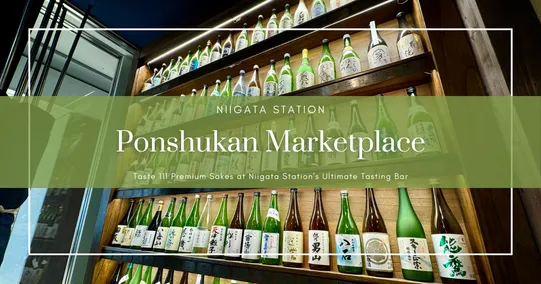
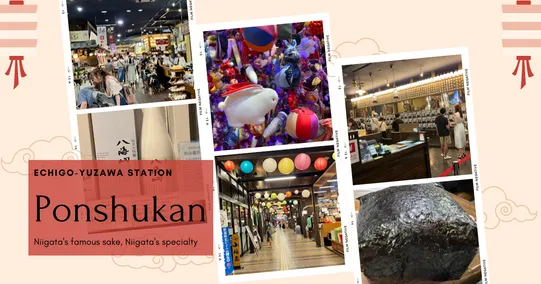
| Ponshukan (Echigo-Yuzawa Station and Echigo-Yuzawa Station) | 500 yen (about $3.50 USD) | 5 tokens to sample 100+ varieties from vending - machine - style sake servers. No reservation needed |
| Imayo Tsukasa Sake Brewery (15-minute walk from Niigata Station) | Free | Founded in 1767. Guided tours available |
| Hakkaisan Uonuma no Sato | 500 yen (about $3.50 USD) | Tour of the yukimuro (雪室) snow cellar, kept at about 4°C (39°F) using 1,000 tons of snow |
Yamaguchi and Dassai: The Birthplace of the Most Famous Sake in the World

The headquarters of Asahi Shuzo, the brewery behind the world-renowned Dassai, is located in Iwakuni City, Yamaguchi Prefecture. A state-of-the-art brewery stands in a small mountain town, where small-group tours offer a close-up look at the production process. The Dassai Store, designed by renowned architect Kengo Kuma, also sells limited-edition sake available only here.
| Facility | Admission | Features |
|---|---|---|
| Asahi Shuzo Brewery Tour | 1,000 yen (about $7 USD) | Twice daily (10:00 am / 2:00 pm), limited to 5 guests per session. Reservations open 2 months in advance |
| Dassai Store Honsha-Gura | Free | Designed by Kengo Kuma. Limited - edition sake available for purchase |
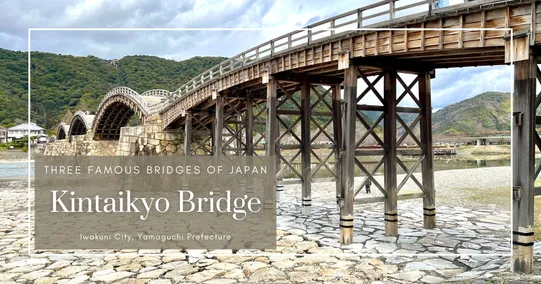
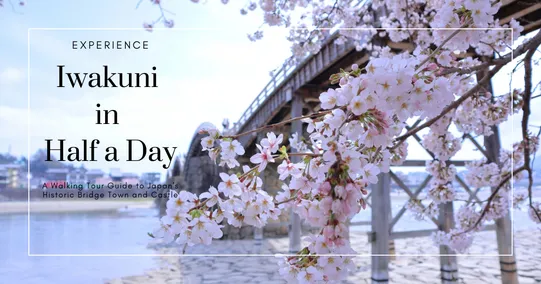
Iwakuni is also famous for its sightseeing attractions, including the Kintai Bridge and Iwakuni Castle.
Cheers in the Corner of a Sake Shop: The Kaku-uchi Experience

Standing inside a sake shop and drinking sake by the glass. That is kaku-uchi (角打ち). It is a way of enjoying sake that is part of everyday Japanese life, one that rarely appears in tourist guides.
The origins of kaku-uchi trace back to the Meiji era in Kitakyushu. The Yawata Steel Works, one of Japan’s first major industrial facilities, began operations in 1901. Workers finishing the night shift in the early morning hours, before any restaurants were open, would stop by a sake shop for a quick drink. This is believed to be how the tradition began.
Not every sake shop has a kaku-uchi space. It is a tradition found only at select shops that set up a counter or standing area in a corner of the store. If you find a sake you like, you can buy a bottle to take home as well.

The etiquette is simple. Keep it brief, finish after a couple of glasses, and enjoy the sake quietly.
Some of the specialty sake shops mentioned in the previous section also offer kaku-uchi-style tasting. Check the Kaku-uchi column in the table for reference.
Sake Is a Symbol of Japanese Culture and Tradition. Your Perfect Bottle Is Waiting.

From department store depachika and specialty sake shops to brewery tours and kaku-uchi. This article has covered the many places where you can find and buy sake in Japan.
Start by visiting a department store or specialty sake shop to see the impressive range of labels on the shelves. If a particular brand or region catches your eye, consider visiting the brewery. A glass of sake at the place where it was made is something truly special.
Sake is born from the water and rice of each region. That is why each of the approximately 1,400 breweries across Japan has its own distinct character.
Visit the places that interest you and find your perfect bottle of sake.

Read more about types of sake and how to choose
