Choshi Electric Railway: A 100-Year Journey Through Time | The Local Train That Survived Against All Odds

Contents
Chiba’s “Miracle Railway” | What is Choshi Electric Railway?
In 2006, a small local railway faced a severe financial crisis. Fare revenues alone couldn’t cover the ongoing deficit, and an embezzlement scandal had destroyed the company’s credibility, making bank loans impossible. Closure seemed inevitable. Then, a single internet post changed everything.
“Please buy our nure-senbei (wet rice crackers). We need to earn money to repair our trains.”
This heartfelt plea touched the hearts of over 10,000 people in just 10 days. A miracle sparked by a single rice cracker. This was the beginning of the Choshi Electric Railway‘s remarkable revival.
This local railway, spanning only 6.4 km, celebrated its 100th anniversary in 2023. With retro station buildings filled with Showa-era atmosphere, nostalgic train cars, and breathtaking Pacific Ocean views, it features tourist spots at each of its 10 stations and has become an essential part of any Choshi sightseeing experience.
In this article, we’ll introduce the charms and highlights of Choshi Electric Railway, known as the “miracle railway.” Hop aboard a retro train and discover the attractions of Choshi.
Choshi Electric Railway

Choshi Electric Railway (Choshi Denki Tetsudo) is a local railway running through Choshi City, Chiba Prefecture. Despite being a short 6.4 km line, it has gained popularity as a tourist railway where visitors can enjoy retro trains and Showa-era atmosphere. The railway connects all 10 stations from Choshi Station to Togawa Station in just 20 minutes, offering historic train cars that evoke Japan’s railway heritage and scenic views along the route. Additionally, from April 2025 to the end of March 2026, the Choshi Electric Railway line has been given the nickname “Inubo Gakeppuchi Line.” This unique name combines “Inubo” from the scenic Inubosaki Cape along the route with “Gakeppuchi” (meaning “on the edge of a cliff”), a self-deprecating reference to the railway’s challenging financial situation.
| Number | Station Name | Japanese |
|---|---|---|
| 1 | Choshi | 銚子駅 |
| 2 | Nakanocho | 仲ノ町駅 |
| 3 | Kannon | 観音駅 |
| 4 | Moto - Choshi | 本銚子駅 |
| 5 | Kasagami - Kurohae | 笠上黒生駅 |
| 6 | Nishi - Ashikajima | 西海鹿島駅 |
| 7 | Ashikajima | 海鹿島駅 |
| 8 | Kimigahama | 君ヶ浜駅 |
| 9 | Inubou | 犬吠駅 |
| 10 | Togawa | 外川駅 |
The Joy of Local Train Travel! Nostalgic Views from the Window
Riding the Choshi Electric Railway lets you fully experience Choshi’s charm while feeling the romance of old-fashioned train travel. The railway offers a journey to enjoy the leisurely pace of time unique to local lines.


Still Running! Retro Trains from the Showa Era

The retro trains currently in operation are the 22000 series, originally the Nankai Electric Railway’s “2200 series” (manufactured in 1969). These cars were transferred from Nankai and modified to Choshi Electric Railway specifications, beginning service on March 29, 2024. They are popular not only among railway enthusiasts but also among those who feel nostalgic for the Showa era.
Furthermore, starting April 1, 2025, a second 22000 series train set, also received from Nankai Electric Railway, began operating as the sightseeing train “Jiroemon.” The train has been renovated with observation seats and a counter bar, allowing passengers to enjoy the atmosphere of the port town of Choshi. The nickname “Jiroemon” was taken from the name of the great man “Sakiyama Jiroemon,” who traveled from Kishu to Choshi and built the Tokawa fishing port.
| Date | Content |
|---|---|
| April 10, 2024 | |
| August 19, 2024 | |
| March 1, 2025 |
Additionally, the retired DeHa 801 (manufactured in the 1950s) is preserved and displayed at Togawa Station.

Being able to enjoy such retro trains is another charm of Choshi Electric Railway.
Retro Station Buildings Are Also Worth Seeing! Get Off and Explore Choshi
Tourist attractions accessible from each station dot the Choshi Electric Railway line. The retro station buildings along the route retain a nostalgic atmosphere, making you feel as if you’ve traveled back in time to the Showa era.
1. Choshi Station

The starting point of Choshi Electric Railway. It connects with the JR Sobu Main Line and serves as the base for Choshi sightseeing. From the station, you can take a bus to tourist spots like Choshi Port Tower and Wosse 21.
2. Nakanocho Station

The Choshi Electric Railway headquarters is located here, and the station building retains a retro atmosphere. Visitors can tour the Choshi Electric Railway depot here, making it a special spot for railway fans.

3. Kannon Station
Kannon Station is very small, but its Swiss mountain railway-style station building makes it unique. Combined with the weathered retro feeling, it has become a station filled with nostalgia.

Within walking distance from the station, Iinuma Kannon (Enpukuji Temple) is famous as one of the leading Kannon pilgrimage sites in the Kanto region and attracts many worshippers.
4. Moto-Choshi Station
The Moto-Choshi Station building became famous in 2017 when television personality Hiromi renovated it as a DIY project on NTV’s “24-Hour Television” program.


5. Kasagami-Kurohae Station
The notable feature at Kasagami-Kurohae Station is its waiting room.

At first glance, it appears to be a very old waiting room, but inside it has been renovated with a lovely Taisho-era romantic interior.
9. Inubou Station

Inubou Station features a white station building designed to resemble a lighthouse, with souvenir shops and exhibition areas inside.
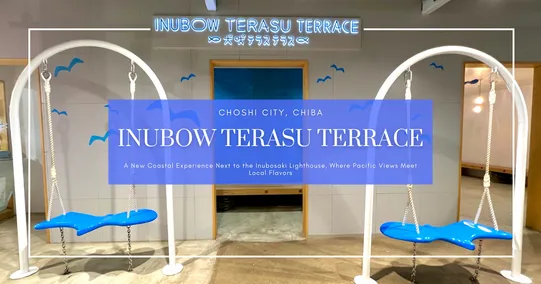
From Inubou Station, you can walk to Inubosaki Lighthouse, famous for offering one of Japan’s earliest views of the New Year’s sunrise. From the lighthouse, you can enjoy magnificent Pacific Ocean views. Right next to the lighthouse is Inubo Terrace Terrace, a commercial facility with restaurants and souvenir shops.

Read more about Inubosaki Lighthouse


Read more about Inubo Terrace Terrace
Walking west from the station, you can also visit Chikyuno Maruku Mieru Oka Observatory and Manganji Temple.
10. Togawa Station
Togawa Station, the terminal station, retains its original wooden station building from when it opened and has such a retro atmosphere that it has been used as a location for movies and dramas. Inside the station, old station master caps and photographs are displayed, allowing visitors to feel the history of Choshi Electric Railway.

From Togawa Station, you can stroll through and enjoy the traditional fishing village scenery (Choshi Tokawa townscape), designated as a Japan Heritage site.
The retired DeHa 801 is also on display and can be viewed for free.
Choshi Electric Railway’s Two Famous Specialties: “Nure-Senbei” and “Mazui-Bo”
When it comes to railway companies, the focus is usually on routes and trains, but Choshi Electric Railway has two famous specialties in a different category. These are snacks called “nure-senbei” (wet rice crackers) and “mazui-bo” (bad-tasting sticks).
Nure-senbei differs from regular senbei with its moist texture. Made using a unique method of soaking in plenty of soy sauce, biting into one fills your mouth with rich soy sauce flavor.

Choshi City in Chiba Prefecture, where Choshi Electric Railway operates, is a famous producer of rice and Japan’s top producer of soy sauce, making nure-senbei a local specialty.
To improve the chronic financial difficulties, the long-established nure-senbei maker "Ishigami" in Choshi offered a helping hand by providing their technology free of charge, launching Choshi Electric Railway’s nure-senbei manufacturing and sales. Later, this nure-senbei would work a miracle and save Choshi Electric Railway.
Today, the company has a dedicated factory in Choshi City and operates the ”Choshi Electric Railway Nure - Senbei Station,” a senbei retail shop that also serves as a “Senbei Museum.”
Mazui-bo is a snack that plays on the name of Japan’s standard snack “Umai-bo” (delicious stick). While the snack itself is actually tasty, it’s named “Mazui-bo” (bad-tasting stick) as a reference to the company’s “bad” financial situation.

Mazui-bo is equally popular as nure-senbei, with its comical packaging and wide variety of flavors.
“Riding the Choshi Electric Railway,” “visiting tourist attractions accessible from the Choshi Electric Railway line,” and “buying nure-senbei and mazui-bo as souvenirs” have become standard activities for Choshi sightseeing. These products have become not only Choshi Electric Railway specialties but also famous symbols of Choshi tourism.
How Nure-Senbei Saved the Railway from Crisis! A Miracle Born from the Internet
Choshi Electric Railway is famous for overcoming its severe financial situation through unique product sales like “nure-senbei” and “mazui-bo.” Nure-senbei in particular has significantly contributed to the railway’s survival, with purchases coming not only from passengers but also from railway fans and supporters across Japan.
In 2006, Choshi Electric Railway faced a severe financial crisis.
In addition to an embezzlement scandal involving the president at the time, the company faced payments totaling over 60 million yen for renovating aging facilities and mandatory vehicle inspections. At the time, Choshi Electric Railway had monthly fare revenues of 9 million yen but was still a loss-making company. With the embezzlement scandal destroying its credibility, public funding and bank loans were out of reach, and closure seemed imminent.
The company’s only hope was selling “nure-senbei” as a side business. However, despite employees desperately selling them, the situation didn’t improve.
Then one day, the company honestly shared their plight on their website. “Please buy our nure-senbei. We need to earn money to repair our trains.”
This heartfelt plea touched many hearts through the internet. In just 10 days, over 10,000 people were moved, and orders poured in. This unexpected sales surge allowed the company to raise the necessary funds.
Choshi Electric Railway celebrated its 100th anniversary on July 5, 2023, and continues daily operations, pledging to remain a railway that delights passengers in gratitude for the support they received. The “nure-senbei” that served as a lifeline back then has now become a beloved specialty of Choshi Electric Railway.
- The Miracle of Nure - Senbei ~A Small Rice Cracker Saved Choshi Electric Railway~ - Choshi Electric Railway
- Choshi Dentetsu Story (The Miracle of Nure - Senbei) - Choshi Electric Railway
Showa-Era Nostalgia: The Charm of a Leisurely Train Journey on Choshi Electric Railway
Just a 6.4 km small railway line. Yet it offers retro trains and station buildings rich with Showa-era atmosphere, nostalgic townscapes, breathtaking Pacific Ocean views, and unique specialties like nure-senbei and mazui-bo. These are all charms unique to Choshi Electric Railway.

Despite facing existential crisis, a circle of support from across Japan came together through the internet. The miracle story that began with a single rice cracker continues to move many hearts to this day.
In 2026, Choshi Electric Railway enters its 103rd year of operation. For over a century, as a local transportation lifeline, a tourism hub, and a stage for people’s memories, this railway has kept running. With the introduction of new trains and station renovations, Choshi Electric Railway continues to evolve while preserving its traditions, and will surely continue to attract many visitors.

The Choshi scenery spreading outside the window, the gentle swaying of retro train cars, the Showa-era remnants in the station buildings. Choshi Electric Railway shows different charms to each visitor. Please visit this historic railway at least once.

▼ Access to Choshi Electric Railway
- Board from “Choshi Station” on the JR Sobu Main Line
- About 2 hours from Tokyo Station via the Shinosai Limited Express
- About 1 hour by car from “Itako IC” on the Higashi-Kanto Expressway
▼ Recommended Sightseeing Plans
- Purchase a day pass and enjoy getting off at each station
- Experience the entire route from Choshi Station to Togawa Station
- Half-day course exploring tourist spots around Inubou Station
- Photogenic course enjoying station building tours and photography